November 6, 2026
Local brand recognition helps businesses stand out, attract customers, and build lasting relationships. Professional signage reinforces a company's identity, communicates important information, and increases visibility in busy areas. Working with a professional sign printing company allows businesses to create eye-catching displays that strengthen their presence in the local market.
Understanding the Role of Signage in Brand Recognition
Effective signage combines colors, fonts, images, and messaging to create a recognizable brand identity. A professional sign printing company understands how these elements work together to capture attention and communicate a business's personality. Consistent visual elements make it easier for customers to recognize and remember a company.
Readability also influences signage effectiveness. Clear messaging, appropriate contrast, and recognizable logos help customers understand what a business offers. Professional designers balance creativity with functionality to create signs that communicate quickly and leave a positive impression.
Sign placement influences how many potential customers see a business's message. Storefronts, shopping centers, commercial districts, and busy roadways offer opportunities to increase exposure. A sign printing company can recommend suitable formats and dimensions based on the intended location.
According to Mordor Intelligence, the United States heavily relies on billboard advertising, as the average American spends over 70% of their day outside the home—and 96% see ads while driving each week. These figures demonstrate the potential of outdoor advertising to reach large audiences. Strategically positioned signage helps reinforce brand recognition through repeated exposure.
Consistent branding helps customers recognize a business across different platforms. Storefront signs, vehicle graphics, banners, and promotional displays should use compatible colors, fonts, and logos. A professional sign printing company can help businesses maintain a unified visual identity across their physical marketing materials.
Repeated exposure to familiar branding strengthens recognition and builds trust. Coordinating signage with websites and social media also creates a more consistent customer experience. Even when promotional designs change, recognizable brand elements should remain prominent.
Sign materials affect appearance, longevity, and overall performance. Outdoor displays must withstand sunlight, rain, and temperature changes, while indoor signs may prioritize finish and presentation. A qualified sign printing company can recommend materials suited to the environment and intended use.
Durable materials help businesses reduce replacement costs and maintain a professional appearance. Fading, peeling, and physical damage can negatively affect how customers perceive a company. Choosing appropriate materials helps preserve signage quality and support long-term brand visibility.
Choosing the Right Sign Printing Company
A provider's experience and portfolio can help businesses determine whether its capabilities match their needs. Reviewing previous projects offers insight into design quality, material selection, and production expertise. An experienced sign printing company can also recommend solutions tailored to specific marketing objectives.
Businesses should consider the range of services available, including storefront signs, banners, window graphics, vehicle graphics, and promotional displays. Working with one provider for multiple signage needs can simplify coordination and improve branding consistency. Before committing, confirm which services, installation options, and support are included.
Custom signage helps businesses communicate their unique identity rather than relying on generic designs. Professional designers can incorporate brand colors, logos, messaging, and imagery to create distinctive displays. This customization helps businesses stand out from competitors and appeal to their target audiences.
Clear communication is equally important throughout the project. Businesses should be able to discuss their goals, review design proofs, and request necessary adjustments before production begins. A reliable provider establishes expectations for pricing, timelines, and project specifications.
Budget planning involves considering design, printing, materials, installation, and future replacement costs. A sign printing company can explain available options and help businesses choose solutions that fit their financial requirements. Comparing estimates alongside material quality and expected lifespan provides a clearer picture of overall value.
The lowest initial price does not always represent the best investment. Durable materials may cost more upfront but require fewer replacements over time. Selecting signage according to its purpose and expected use helps businesses manage expenses without sacrificing professionalism.
Understanding the Sign Design and Production Process
The design process begins with identifying the sign's purpose. Businesses may want to attract new customers, promote services, identify a location, or advertise a special offer. These goals influence the design, size, materials, and placement of the finished product.
A professional sign printing company can develop concepts that reflect the business's identity and marketing priorities. Designers may present different layouts and color combinations for review. Establishing clear expectations early helps keep the project organized and aligned with the intended results.
Digital proofs allow businesses to review their signage before printing. Clients should verify logos, contact information, colors, dimensions, and messaging to minimize errors. Careful approval helps ensure the finished product matches expectations and avoids unnecessary reprinting costs.
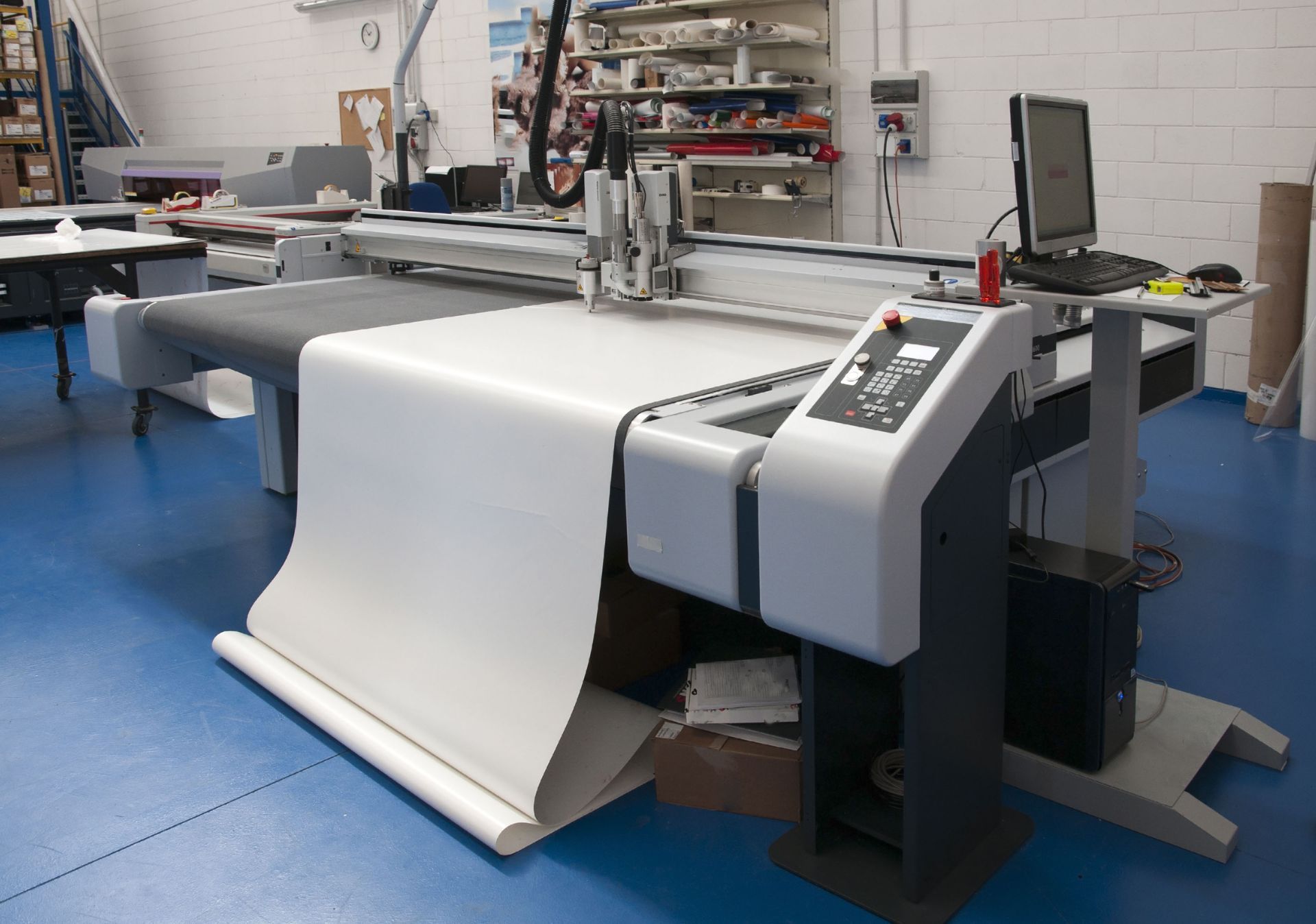
Printing methods depend on the sign's size, material, and intended application. Large-format printing is suitable for banners, posters, and window graphics, while other methods may be appropriate for rigid outdoor signs. A professional sign printing company can recommend production options that balance image quality, durability, and budget.
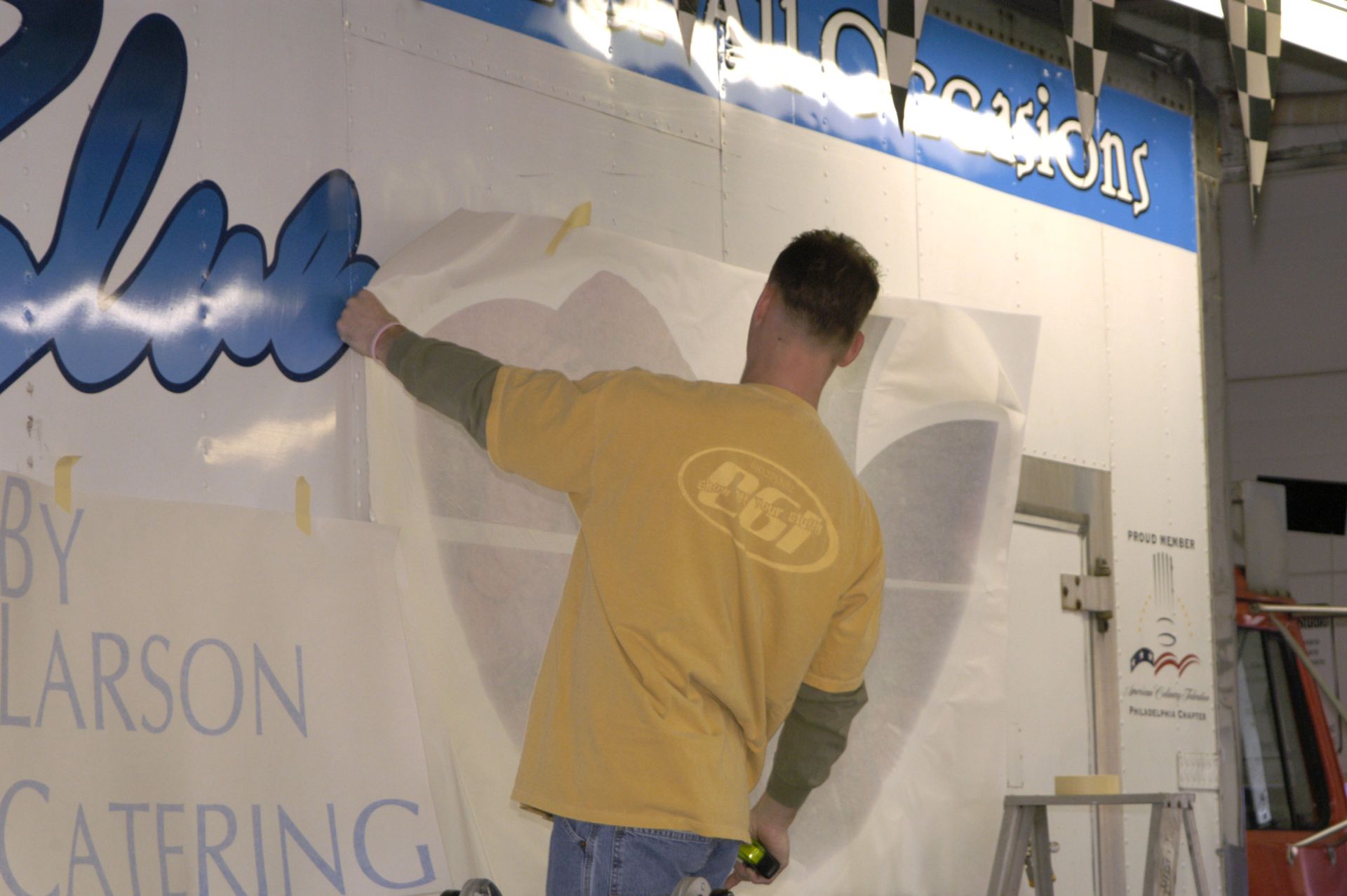
Proper installation helps signage remain secure, visible, and functional. Installers consider mounting surfaces, sign dimensions, viewing angles, and environmental conditions when determining placement. These details influence how effectively the sign communicates with its intended audience.
Businesses should also check applicable property restrictions and local sign regulations before installation. Certain signs may require permits depending on their size, location, or illumination. Addressing these requirements early helps prevent delays and complications.
Measuring the Impact of Professional Signage
Signage introduces businesses to people who may not have discovered them through online advertising. Repeated exposure to a recognizable storefront, logo, or outdoor display helps build familiarity. A sign printing company can create materials designed to improve visibility within the local market.
Businesses can evaluate signage performance by monitoring customer inquiries, foot traffic, and feedback about how people discovered their services. These indicators can help show whether signage contributes to broader marketing goals. Reviewing results over time also helps identify opportunities to improve messaging or placement.
Promotional signage provides a direct way to advertise special offers, new services, and upcoming events. Banners, posters, and window displays help communicate information to nearby customers. Clear messaging and consistent branding make these materials easier to recognize and understand.
Businesses can update promotional displays as their priorities change. Seasonal campaigns, product launches, and community events offer opportunities to keep signage relevant. Coordinating these updates with digital marketing helps reinforce the same message across multiple channels.
Brand recognition develops through repeated exposure to consistent visual elements. When customers regularly see the same colors, logo, and messaging, they become more likely to associate them with a particular company. Professional signage supports this process across storefronts, vehicles, and promotional locations.
Businesses should periodically review their signs for damage, outdated information, and inconsistent branding. Replacing worn displays helps maintain a professional appearance and keeps messaging accurate. Combining signage with quality service and other marketing efforts creates more opportunities to build lasting customer relationships.
Professional signage helps businesses improve visibility, communicate their identity, and connect with potential customers. Choosing an experienced sign printing company ensures that materials reflect the brand's goals while meeting practical requirements. Well-planned signage can become a valuable part of a company's long-term marketing strategy.
RichArt Graphics can help businesses explore signage solutions that support their branding and promotional needs. Whether you are updating existing displays or planning new marketing materials, professional guidance can help you find suitable options. Contact RichArt Graphics today to discuss your project and strengthen your business's visibility with professionally produced signage.