Discover how wall graphics companies help businesses enhance branding and commercial interiors and create memorable customer experiences with custom designs.
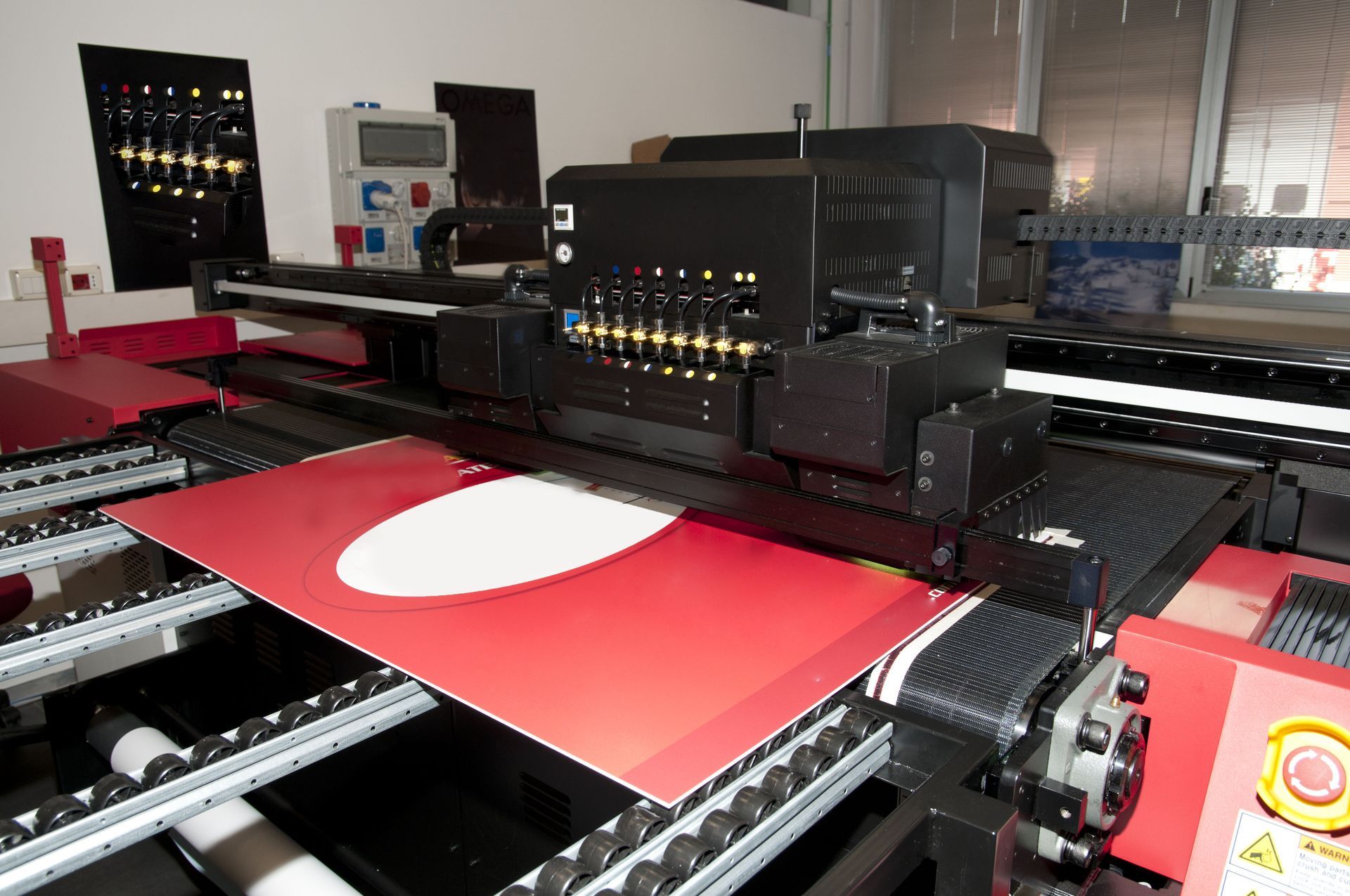
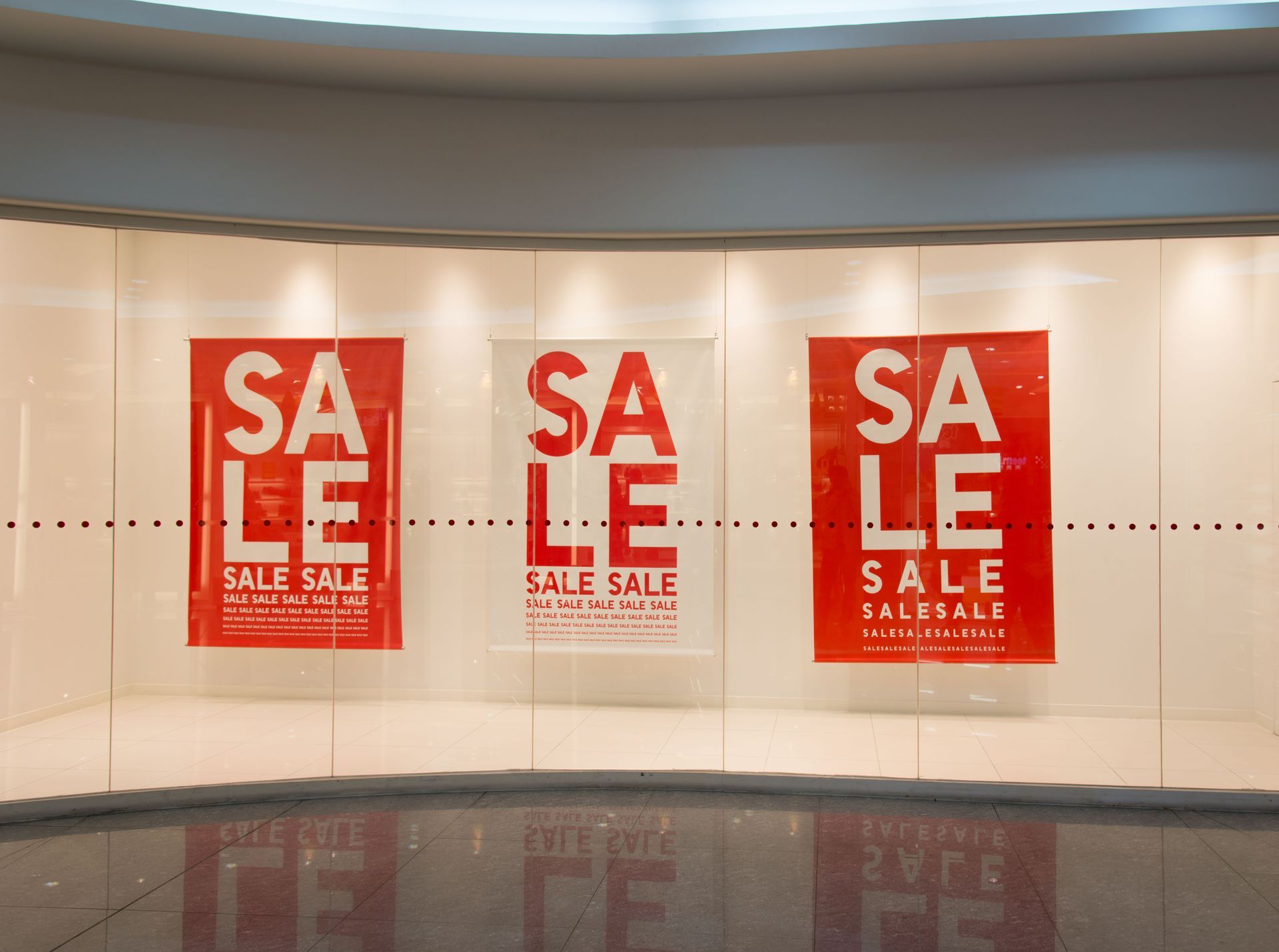
In today's competitive marketplace, businesses need effective ways to attract attention and establish a recognizable identity. Professional signage helps companies stand out, communicate their services, and leave lasting impressions on potential customers. From storefront displays to promotional banners, quality signs provide opportunities to connect with audiences. Working with a professional sign printing company allows businesses to create attractive, functional signage that reflects their brand identity. At RichArt Graphics, we understand how thoughtful design, quality materials, and professional printing contribute to successful visual marketing. Whether a business wants to increase foot traffic, promote an event, or strengthen customer recognition, professionally produced signage can support those goals. Why Professional Signage Matters for Brand Visibility Signage does more than display a business name. It communicates professionalism, establishes familiarity, and encourages potential customers to learn about a company's services. Effective signs can influence how people perceive a business before interacting with its employees. According to sign industry data, 75% of consumers have recommended a business to others because of its signage. This statistic highlights the potential influence of visual branding on customer impressions and word-of-mouth recommendations. A recognizable sign helps customers remember a business long after passing its location. When businesses maintain consistent messaging across marketing materials, they create stronger associations between their name, appearance, and services. Professional signage also supports businesses in competitive environments. A distinctive storefront display can differentiate one company from neighboring establishments and encourage prospective customers to take notice. How Professional Signage Strengthens Brand Recognition 1. Creating Consistent Visual Branding Brand consistency helps businesses establish a recognizable identity across marketing channels. Logos, colors, typography, and messaging should complement one another, whether they appear on storefront signs, banners, or promotional displays. At RichArt Graphics, we recognize the importance of maintaining these visual elements throughout printing. Working with an experienced sign printing company helps businesses achieve consistent colors, clear graphics, and professional presentation across signage formats. For example, a company using the same logo and color scheme on its building signage and promotional materials creates a unified customer experience. Familiar visual elements make it easier for people to recognize the business across multiple advertising platforms. Consistency also communicates attention to detail. Customers encountering cohesive branding may associate that professionalism with the company's commitment to quality. 2. Improving Visibility in High-Traffic Areas Strategically displayed signage helps businesses reach audiences who might otherwise overlook their services. Storefront signs, window graphics, and outdoor displays attract attention from pedestrians, commuters, and nearby customers. However, visibility depends on more than placement. Signs must feature appropriate dimensions, readable lettering, and clear messaging to communicate effectively. A professional sign printing company can help businesses select signage formats that complement their environments. Larger signs may suit outdoor applications, while detailed graphics work effectively in indoor displays. Lighting conditions, viewing distances, and surrounding distractions also influence signage effectiveness. Considering these factors during production helps businesses present their messages clearly. By combining attractive designs with suitable placement, businesses can create opportunities for brand exposure throughout the day. 3. Communicating Important Business Information Successful signage communicates essential information without overwhelming viewers. Business names, services, promotional messages, and directional details should be easy to understand. Customers often encounter signs while walking or driving, leaving limited time to process complicated information. Clear typography and organized layouts help audiences identify relevant details quickly. At RichArt Graphics, we understand that professional signage should balance visual appeal with practical communication. Effective graphics support the message rather than distracting from it. For example, a promotional banner advertising a seasonal sale should prominently display the offer while maintaining recognizable branding. Similarly, directional signage should prioritize readability and straightforward instructions. Thoughtful communication helps businesses make positive impressions while providing customers with useful information. How Professional Printing Improves Sign Quality 1. Selecting Materials for Different Environments Material selection affects how signage looks, performs, and withstands everyday conditions. Indoor displays and outdoor signs face different environmental demands, making appropriate materials essential. Vinyl, aluminum, acrylic, and other signage materials offer distinct advantages depending on their applications. Outdoor signs may require weather-resistant surfaces, while temporary displays benefit from lightweight materials. An experienced sign printing company can recommend suitable options based on display location, expected lifespan, and visual requirements. For businesses investing in long-term signage, durability is particularly important. Fading, peeling, or damaged graphics can create an unfavorable impression and reduce branding effectiveness. Selecting quality materials helps businesses maintain professional appearances while reducing frequent replacements. 2. Producing Clear Graphics and Vibrant Colors Print quality directly influences the appearance of business signage. Blurry images, inconsistent colors, and poorly reproduced logos can undermine an effective design. Professional printing equipment allows for detailed graphics, precise lettering, and consistent visual results. Modern digital printing methods accommodate various materials and design requirements while maintaining image clarity. At RichArt Graphics, we appreciate how quality production contributes to successful branding. Clear graphics and vibrant colors help businesses communicate their identities confidently. Color accuracy is especially important when companies use established brand guidelines. Maintaining familiar shades across different materials reinforces recognition and creates a cohesive appearance. Professional production also helps preserve fine details that might otherwise become distorted during printing. 3. Customizing Signs for Specific Business Goals Every business has unique marketing objectives, and signage should reflect those priorities. A restaurant promoting a new menu may need different materials than a retail store advertising a grand opening. Working with a professional sign printing company provides access to customized signage solutions designed around specific promotional needs. Customization may involve selecting appropriate dimensions, finishes, layouts, or printing materials. These choices help businesses create signage that complements their spaces and intended audiences. Temporary banners support short-term campaigns, while permanent storefront displays establish ongoing visibility. Window graphics highlight promotions without requiring extensive changes to existing business spaces. By matching signage formats to marketing goals, companies can create more effective visual communications. How Professional Signage Supports Long-Term Marketing 1. Reinforcing Customer Trust and Credibility Professional signage contributes to the impression customers develop about a business. Attractive, well-maintained displays communicate organization, reliability, and attention to detail. Conversely, damaged or outdated signs may create uncertainty about a company's professionalism. Maintaining quality visual branding helps businesses present themselves consistently to customers. At RichArt Graphics, we believe signage should reflect the care businesses put into their products and services. Customers who regularly encounter recognizable signs may become more familiar with a business before making a purchase. That familiarity can support future purchasing decisions and recommendations. 2. Supporting Promotions and Business Growth Signage offers businesses opportunities to promote products, announce events, and communicate important updates. Seasonal banners, promotional displays, and temporary graphics complement broader advertising campaigns while reaching customers near a business location. A reliable sign printing company can help organizations adapt their visual materials as marketing priorities change. For example, businesses expanding their services may benefit from updated storefront graphics or informational displays. Companies participating in community events can use branded banners to improve recognition outside their usual locations. These applications allow signage to remain relevant throughout different stages of business growth. 3. Building Recognition Through Repeated Exposure Brand recognition often develops through repeated interactions. Customers who regularly see consistent signage may become more familiar with a company's name, logo, and services. Unlike advertisements that appear only during scheduled campaigns, permanent signage provides ongoing visibility at a business location. When paired with consistent branding across promotional materials, these repeated impressions help reinforce a company's identity. Professional signage complements websites, social media, and other marketing channels by presenting recognizable visual elements in physical environments. Businesses benefit when customers can connect their online presence with their storefront or promotional displays. Partner With RichArt Graphics for Professional Signage Effective signage combines thoughtful design, appropriate materials, clear communication, and quality printing. Each element contributes to creating displays that attract attention and reinforce a business's identity. At RichArt Graphics, we understand that every business has different branding needs. Whether the goal involves increasing storefront visibility, promoting an event, or maintaining consistent marketing materials, professional signage makes a meaningful difference. Choosing an experienced sign printing company helps businesses invest in visual marketing that reflects their professionalism and supports lasting brand recognition. Contact RichArt Graphics to discuss your signage needs and discover how professionally printed graphics can help your business stand out.
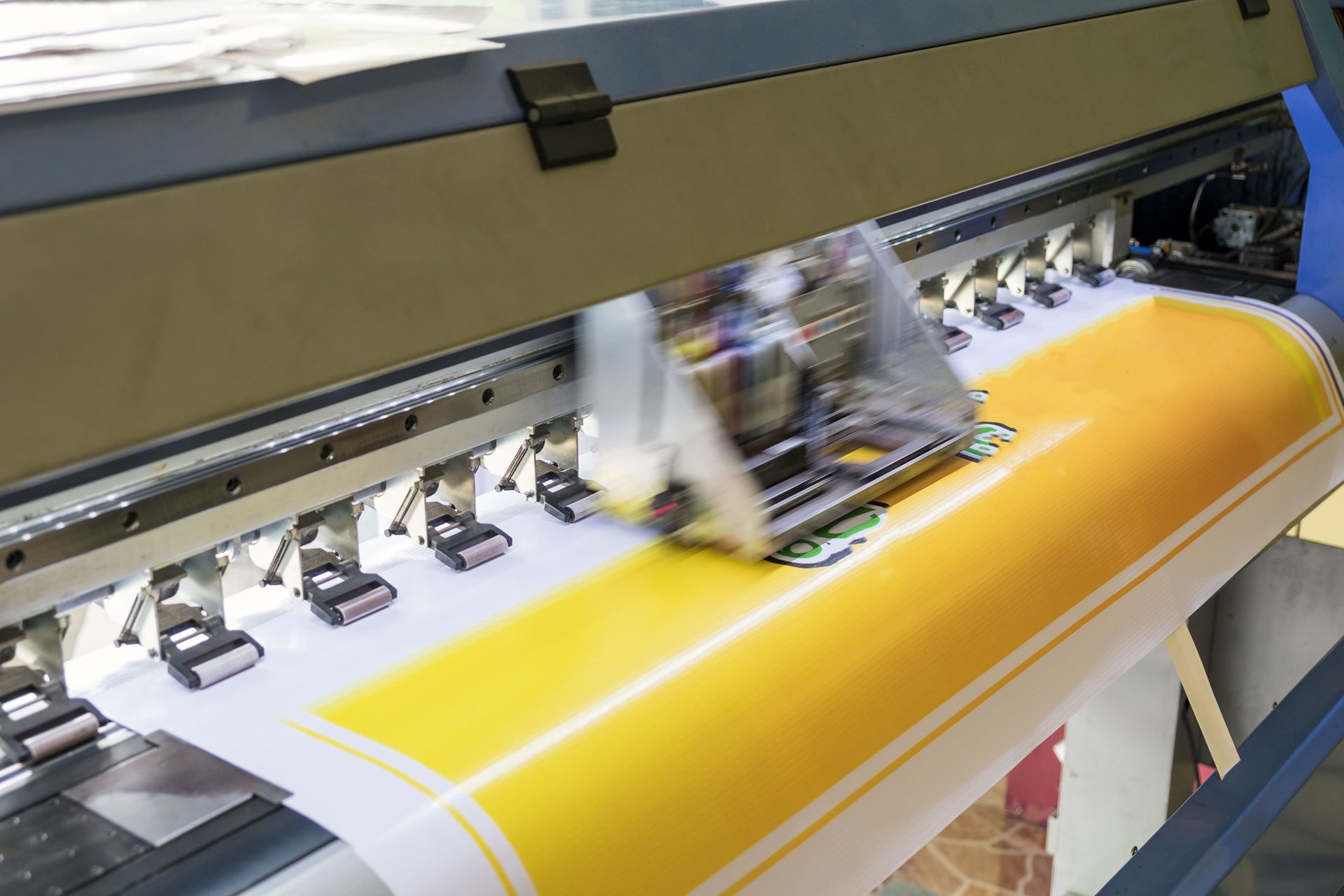
Businesses need creative, affordable ways to build brand recognition and connect with customers. Custom vinyl stickers offer a versatile marketing solution that combines durability, visual appeal, and flexibility. Whether used on product packaging, storefront windows, or promotional merchandise, these stickers help businesses communicate their identities and reach new audiences. According to Accio, vinyl stickers make up around 47% of the global custom sticker market. This significant market share highlights their popularity among businesses seeking effective promotional materials. At RichArt Graphics, we understand how professional graphics can transform everyday surfaces into valuable branding opportunities. Our local decal painting services help businesses create distinctive visual materials that support their marketing goals and strengthen their professional image. The Benefits of Custom Vinyl Stickers Durability and Versatility Vinyl stickers are valued for their durability and ability to withstand different environmental conditions. Unlike traditional paper stickers, many vinyl products are designed to resist moisture, sunlight, and everyday wear. This makes them suitable for indoor and outdoor marketing applications. Businesses can incorporate vinyl graphics into storefront displays, vehicle branding, equipment identification, and promotional materials. Their adaptability makes them useful across industries, including retail, automotive, hospitality, and professional services. Professional material selection is essential for achieving reliable results. Different surfaces and environmental conditions require appropriate adhesives, finishes, and installation methods. At RichArt Graphics, we recognize that effective branding requires more than an attractive design. Businesses considering local decal painting services benefit from professional guidance that accounts for appearance, placement, and long-term performance. Affordability and Marketing Value Marketing budgets often require businesses to balance affordability with visibility. Custom vinyl stickers provide an accessible promotional option that can complement larger advertising investments. Unlike recurring digital advertising expenses, professionally produced stickers can continue displaying promotional messages throughout their useful lives. Businesses can distribute branded stickers during events, include them with purchases, or incorporate them into existing displays. Production quantities can also be adjusted to accommodate different promotional needs. Smaller campaigns may require limited quantities, while larger marketing initiatives can benefit from consistent branding across multiple locations. Although pricing depends on materials, dimensions, and design complexity, professional vinyl graphics offer businesses flexibility when planning marketing expenditures. Customization and Brand Identity Every business has a unique identity, and promotional materials should reflect that individuality. Custom vinyl stickers can incorporate company logos, brand colors, slogans, illustrations, and other recognizable design elements. Professional customization helps businesses maintain consistency across marketing channels. A recognizable logo displayed on packaging, storefront graphics, and promotional merchandise reinforces the connection between a company and its products. Different shapes, finishes, and dimensions provide additional opportunities for creative expression. Matte finishes can support understated branding, while glossy materials may create a more vibrant appearance. Our local decal painting services emphasize visual consistency and thoughtful presentation. We understand that customized graphics should represent a company's personality while remaining appropriate for its intended audience. Sustainability and Material Selection Environmental considerations increasingly influence business purchasing decisions. Companies exploring promotional materials may want to understand the environmental characteristics of different sticker products. Traditional vinyl is generally made from PVC, which presents environmental challenges related to production and disposal. Some manufacturers offer PVC-free films, alternative adhesives, or other materials designed to address particular environmental concerns. However, not every alternative provides the same durability, recyclability, or environmental benefits. Product specifications and disposal requirements should be evaluated carefully rather than assuming that all alternatives are biodegradable or recyclable. Professional guidance can help businesses compare available materials based on performance expectations, application requirements, and environmental priorities. Visibility and Customer Engagement Vinyl stickers provide a physical connection between businesses and their audiences. Unlike advertisements that disappear after a brief interaction, stickers can remain visible on packaging, merchandise, and other surfaces. This repeated exposure can reinforce brand recognition. Customers who encounter familiar graphics across different settings may develop stronger associations with a company's products or services. Attractive stickers can also encourage customers to engage with brands through promotional giveaways or merchandise collections. Businesses investing in local decal painting services can use professionally developed graphics to support these interactions while maintaining a recognizable visual identity. The Marketing Applications of Custom Vinyl Stickers Branding and Product Packaging Product packaging presents an opportunity to communicate a business's identity directly to customers. Custom vinyl stickers can display logos, product information, promotional messages, and decorative elements that enhance presentation. Consistent packaging graphics help businesses establish recognizable visual standards. This can be especially valuable for smaller companies competing with established brands. Professionally designed stickers can also support seasonal packaging updates without requiring businesses to completely redesign their existing materials. At RichArt Graphics, we appreciate how cohesive graphics contribute to a polished appearance. Our local decal painting services can complement broader branding initiatives by helping businesses create consistent visual impressions. Events and Promotional Campaigns Trade shows, community gatherings, and promotional events provide opportunities for businesses to introduce their brands to new audiences. Custom stickers can serve as giveaways, promotional merchandise, or visual accents for event materials. Designs featuring company logos, campaign themes, or memorable illustrations can reinforce an event's message. Businesses may also incorporate QR codes into professionally designed graphics, connecting physical promotional materials with websites or digital offers. Event graphics should be visually appealing and easy to recognize. Professional production helps ensure that promotional materials reflect the company's established identity. Partnerships and Collaborative Marketing Collaborative campaigns allow businesses to connect with audiences through shared promotional initiatives. Custom vinyl stickers can incorporate the identities of multiple organizations into a unified design. For example, businesses participating in community sponsorships, charity events, or joint promotions may benefit from co-branded merchandise. These graphics can communicate partnership information while maintaining consistency with each organization's visual identity. Professional design support is particularly valuable when multiple logos, colors, and messages must work together without creating a cluttered appearance. Merchandise and Customer Loyalty Branded merchandise gives customers opportunities to interact with businesses beyond individual purchases. Custom vinyl stickers can become collectible promotional items when they feature appealing artwork or limited-edition designs. Businesses may distribute stickers through loyalty programs, special events, or promotional purchases. These materials can reinforce positive customer experiences and encourage continued engagement. Limited-edition designs also allow companies to introduce fresh creative concepts while maintaining recognizable branding. Our local decal painting services support businesses seeking distinctive graphics that contribute to memorable customer experiences. The Design Elements of Effective Vinyl Stickers Audience and Message Effective sticker designs begin with a clear understanding of the intended audience. Different customer groups respond to different visual styles, messaging approaches, and promotional themes. A business serving corporate clients may prefer refined typography and understated colors, while a youth-oriented retailer might benefit from more expressive graphics. Professional designers consider these differences when developing visual materials. They also evaluate how quickly viewers can recognize the company and understand its message. A focused design generally communicates more effectively than one containing excessive information. Color and Typography Color and typography strongly influence how customers perceive promotional graphics. Consistent brand colors help establish familiarity, while readable lettering ensures that important information remains accessible. Contrast is particularly important when stickers will appear on different backgrounds. Professional designers account for viewing distance, lighting, dimensions, and placement when selecting visual elements. Typography should also complement the company's personality without sacrificing clarity. Businesses choosing local decal painting services can benefit from professional design expertise that balances creativity with practical communication requirements. Materials and Finishes Material selection affects both appearance and performance. Vinyl graphics may require different finishes depending on whether they will be displayed indoors, exposed to weather, or applied to frequently handled surfaces. Glossy, matte, and specialty finishes create different visual effects. Adhesive characteristics also influence suitability for particular applications. Professional production helps businesses select materials appropriate for their intended use, reducing the likelihood of premature deterioration or inconsistent presentation. Strengthen Your Branding With RichArt Graphics Custom vinyl stickers provide businesses with opportunities to improve visibility, strengthen brand recognition, and create meaningful customer interactions. Their durability, customization potential, and diverse applications make them valuable additions to many marketing strategies. At RichArt Graphics, we understand the importance of professional presentation. From promotional graphics to distinctive branding materials, thoughtful design can help businesses communicate their identities more effectively. If your company is exploring local decal painting services , our team is ready to discuss your branding goals and help you consider suitable graphic solutions. Contact RichArt Graphics today to learn more about creating visual materials that leave a lasting impression. nd delete this default text and start typing your own or paste your own from a different source.